
Write the rules down first
Approval limits, roles, checks and exceptions decide the scope more than the screens do. We map them in week 1, so the build doesn’t discover them halfway.
Clear product rules
Build financial software that connects your users, data and systems
In a financial product, the rules are the product: who can approve what, which checks run before money moves, and what record is left for the auditor. We build fintech platforms, marketplaces and internal finance tools around those rules, with role-based permissions, audit trails and connections to payment providers, identity checks and data sources. When a product already exists, we can audit and fix it instead of starting over.
Approval limits, roles, checks and exceptions decide the scope more than the screens do. We map them in week 1, so the build doesn’t discover them halfway.
Clear product rules
Who approved what, when and on what evidence. An audit trail is cheap to build at the start and expensive to add later.
Audit trail
Payments, identity checks (KYC), company data and e-signatures already have good providers. We connect them and build the part that makes your product different.
Proven providers
An existing product may need an audit, fixes and new features, not a rebuild. We start by reading the code and the data.
Audit to build
A typical approval path once the system is built. The checks and their order are yours to define.
From the projects we’ve built in this area.
Regulators, auditors and boards ask who decided, on what evidence and when. If the data model records that from day one, a report is a query. If it doesn’t, the report becomes a project.
Payments, card processing, identity checks and bank connections come from licensed providers such as Stripe or a KYC service. Building them yourself rarely makes sense and brings obligations of its own. Custom software should sit on top and run your process.
AI is good at reading statements, contracts and vendor proposals, matching them to requirements and drafting a summary for the reviewer. The decision stays with rules and a person, especially when money moves or a customer is affected. Every AI suggestion should be logged with the final decision.
Products that feel broken often have a few root causes, such as slow queries, unclear permissions or missing tests. A focused audit finds them, and fixing them usually costs less than starting over. With Dilly Labs, we audited and fixed the existing platform, then kept adding features.
Three realistic ways to get a financial product to market. Most teams we talk to end up in the middle.
| White-label platform | Custom on licensed providers | Everything built in-house | |
|---|---|---|---|
| Time to a first version | Weeks | 6 weeks–3 months | Many months |
| Your own product rules | Partly | Yes | Yes |
| Payments and identity checks | Included | From providers | Your responsibility |
| Audit trail you control | Partly | Yes | Yes |
| Sets your product apart | No | Yes | Yes |
| Ongoing cost | Licence fees | Provider fees and hosting | A large in-house team |
What we’ve built for clients in this field.
Global fintech vendor platform · Global
The problem
The company needed to improve vendor records, procurement tools and the platform’s technical structure.
What we built
What changed: Platform issues addressed, with further features added to the existing product.
Marketplace workflow product · Europe
The problem
The team needed seller onboarding, dealer auctions and internal tools ready for launch.
What we built
What changed: Seller onboarding, dealer auctions and operations tools delivered for the marketplace.
A typical timeline. We confirm yours after the project workshop.
Day 1
30-minute callYour product, your users and the rules that matter. You leave with what to build first and a rough price.
Week 1
Rules and risk workshopWe map approvals, permissions, checks and the audit trail with your product and compliance people, then agree a fixed price.
From week 2
Build in 2-week stagesA working demo every week, on test accounts from your payment and KYC providers.
Launch
Security checks, then liveAn access review, permission tests and, if you need one, an external penetration test before real money moves. You own the code, the repositories and the accounts.
+3 months
Free bug fixesThen optional monthly support as the product grows.
Systems we’ve built that are close to this one.
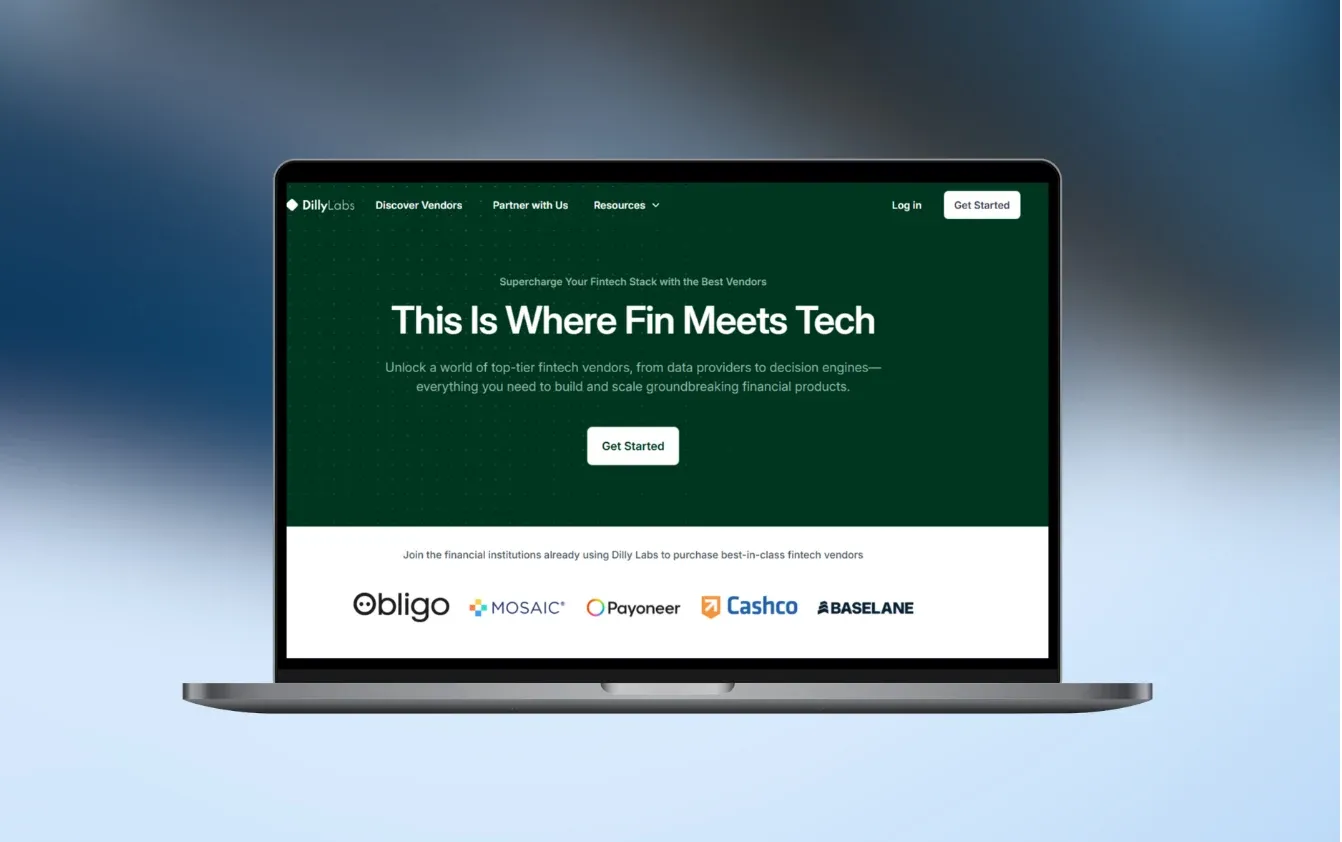
Tools for financial institutions to compare vendors, collect proposals, and record their decisions
Read the case study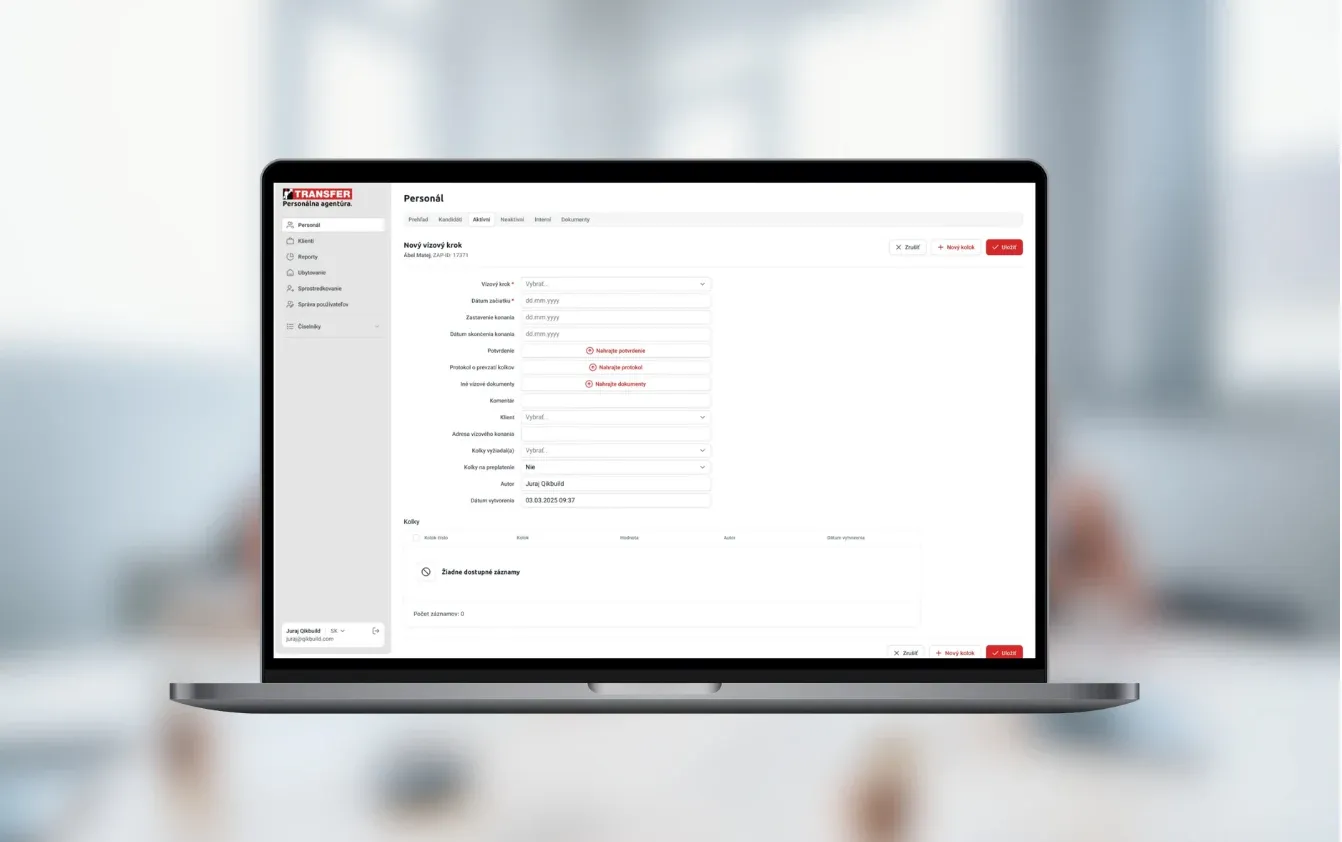
Workforce platform for temporary staffing, recruitment, compliance checks, and payroll administration
Read the case study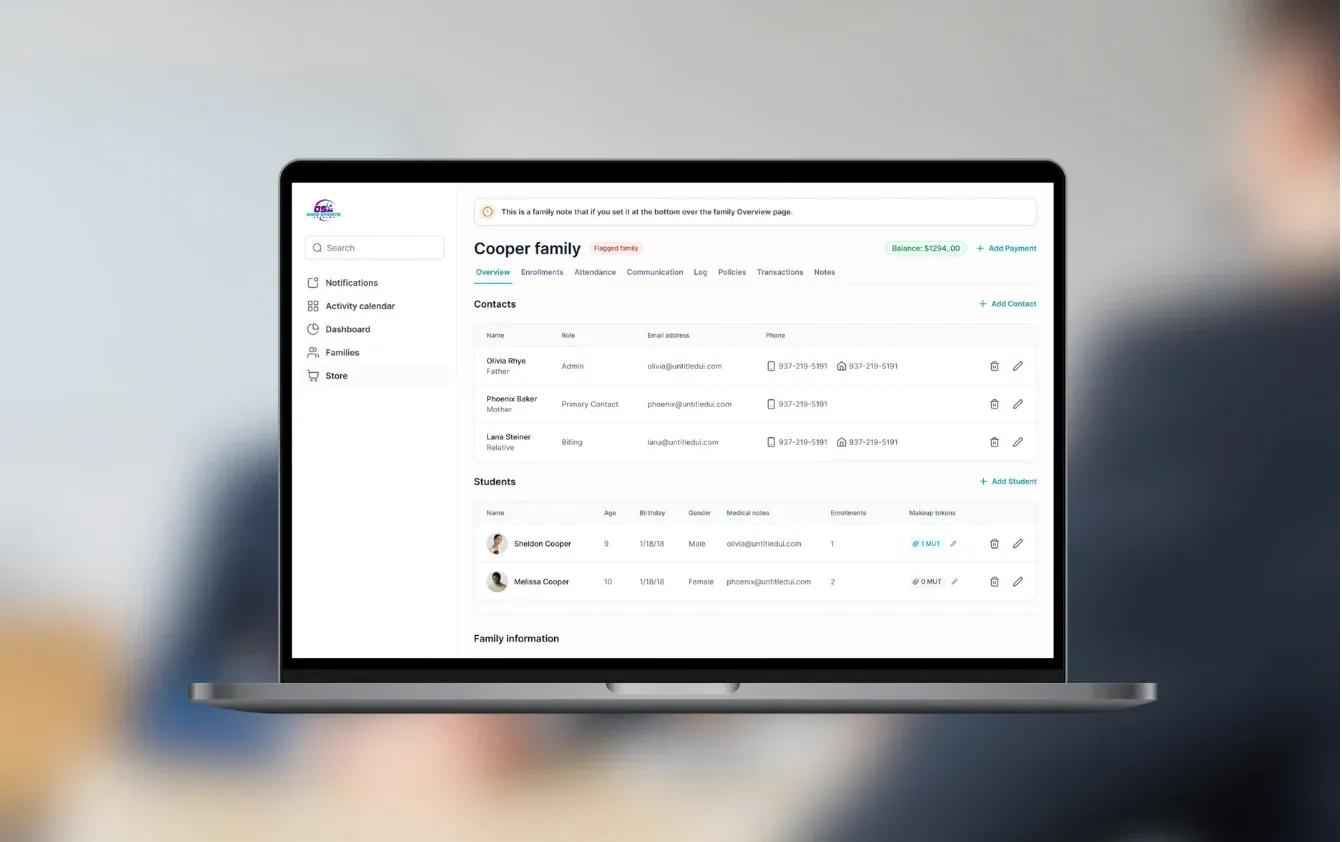
Gym SaaS for class enrollment, parent self-checkout, and Stripe Connect billing
Read the case studyYes. We help define and build the first version, usually on top of licensed providers for payments and identity checks. Our past projects took 6 weeks to 3 months to reach a first version, so you can test the product with real users before investing more.
Yes. We start with an audit of the code, the data model and the permissions. We list what is risky and what is slow, and fix the most important issues first. That is how we worked with Dilly Labs before adding new features.
We build the controls your compliance team asks for, such as audit trails, permissions, approval chains, data retention and reports. We don’t give legal advice or hold financial licences. Your compliance team or advisor decides what rules such as AML, PSD2 or DORA require, and we implement it.
If a provider has an API, we can usually connect it. On past projects we’ve used Stripe and Stripe Connect for payments, Sumsub and TrustID for identity checks, Finstat for Slovak company data and Eversign for e-signatures. We check your providers’ APIs before we quote.
We build with role-based access, two-factor login, encrypted connections, separate test and live environments and logs of who accessed what. Hosting can be in the EU or in your own cloud account. For higher-risk products we recommend an external penetration test before launch.
Yes, for reading documents, matching requirements, drafting summaries and answering questions from your own data. Decisions that move money or affect a customer stay with rules and a person. We also limit what the AI can access and do, because documents can contain hidden instructions meant to mislead it.
One process, such as an internal approval tool connected to 1–2 systems, costs €5–10k. A platform or portal with 10+ features and several integrations costs €10–30k, and larger platforms or replacements of older software start at €30k. We agree a fixed price after the project workshop, before any build starts.
You do. At launch you get the code, the repositories and the accounts, including the ones with your payment and data providers. We fix bugs free of charge for 3 months, then you can choose monthly support or have your own team take over.
Tell us about your product idea, or the system you already have. We’ll tell you what to build or fix first and what it would cost.

JurajCEO, QikBuild
You leave the call with
Or write to hello@qikbuild.com