
A scope that fits the budget
We start from the question your MVP must answer (will people sign up, pay, come back?) and cut everything that doesn’t help answer it. The rest goes on a list for later.
Smaller first version
Build a first version, test it with users and decide what comes next
Many first products are too big. Founders spend the budget on features nobody asked for, then have nothing left when users show what actually matters. We help you cut the scope to the one journey that proves your idea, build it for a fixed price and show you a working demo every week. You launch with real users in 6 weeks to 3 months, and the code, repositories and accounts are yours.
We start from the question your MVP must answer (will people sign up, pay, come back?) and cut everything that doesn’t help answer it. The rest goes on a list for later.
Smaller first version
The price is agreed after the project workshop and doesn’t grow with the hours. You know what the first version costs before development starts.
Fixed price
A working demo every week, so you can put the product in front of test users and investors before launch and change course while it’s still cheap.
Weekly demos
We pick the stack per product, no-code where it’s enough and code where it isn’t. Either way, your next developers can take it over.
Room to grow
An MVP is a tool for learning. Once it’s live, this loop repeats every couple of weeks, and the product gets better each time round.
From the projects we’ve built in this area.
3 months
Cardino, a Berlin marketplace for used EVs, had its MVP built in 3 months and started serving its first clients. The company has since raised €5 m in seed funding to expand the platform. Early customers and investors look at whether people use the core journey, not at the length of the feature list.
80%
When we rebuilt Novuma’s booking apps with no-code tools, they saved 80% of development time and cost compared with custom code. The catch comes later: complex permissions, heavy logic and scale get harder, and moving to code is a rebuild, not an export. Choose it knowingly.
“Will people pay?” needs payments and pricing. “Will they come back?” needs accounts, history and notifications. “Can we deliver it?” needs internal tools for your team. Each question leads to a different MVP, so write yours down first.
A model from OpenAI, Anthropic or Google can power a convincing demo in days. A feature that works on five examples often fails on the fiftieth. Test AI on real user inputs early, and budget for its running cost per user, which grows with every new customer.
All three are reasonable. The right one depends on your budget, your time and how sure you are about what to build.
| Build it yourself in no-code | Agency or freelancers by the hour | Fixed-price build | |
|---|---|---|---|
| Cash cost of the first version | Lowest | Open-ended | Agreed up front |
| Founder time needed | High | Medium | Low |
| Help cutting the scope | No | Partly | Yes |
| Predictable budget | Partly | No | Yes |
| Complex logic and integrations | Partly | Yes | Yes |
| Code and accounts in your name | Partly | Partly | Yes |
| Easy to change course mid-build | Yes | Yes | Partly |
What we’ve built for clients in this field.
Interactive configurator platform · Europe
The problem
The startup wanted to turn its passive-home offering into an interactive product that customers could configure and understand.
What we built
What changed: A product where customers configure a passive home and pay through Stripe.
Marketplace product build · Europe
The problem
The team needed to move quickly on an EV marketplace and get the core workflows into production soon.
What we built
What changed: The marketplace’s seller, auction and internal support features were ready for launch, with the MVP built in 3 months.
SaaS for gyms and studios · USA
The problem
Gyms needed one product for class schedules, family accounts and billing instead of a stack of generic tools.
What we built
What changed: A SaaS product that runs classes, enrollment and billing, with room to add features after launch.
A typical timeline. We confirm yours after the project workshop.
Day 1
A 30-minute callYou describe the idea. You leave knowing what we would build first and a rough price.
Week 1
Workshop and fixed priceWe map the core user journey, cut the scope to what proves the idea and agree a fixed price.
Weeks 2+
Build in 2-week stagesA working demo every week, so you can show it to test users and investors before launch.
Launch
First real usersThe product goes live. The code, repositories and accounts are yours.
+3 months
Learn and iterateFree bug fixes for 3 months. New features come from what users actually do, in further stages or with monthly support.
Systems we’ve built that are close to this one.
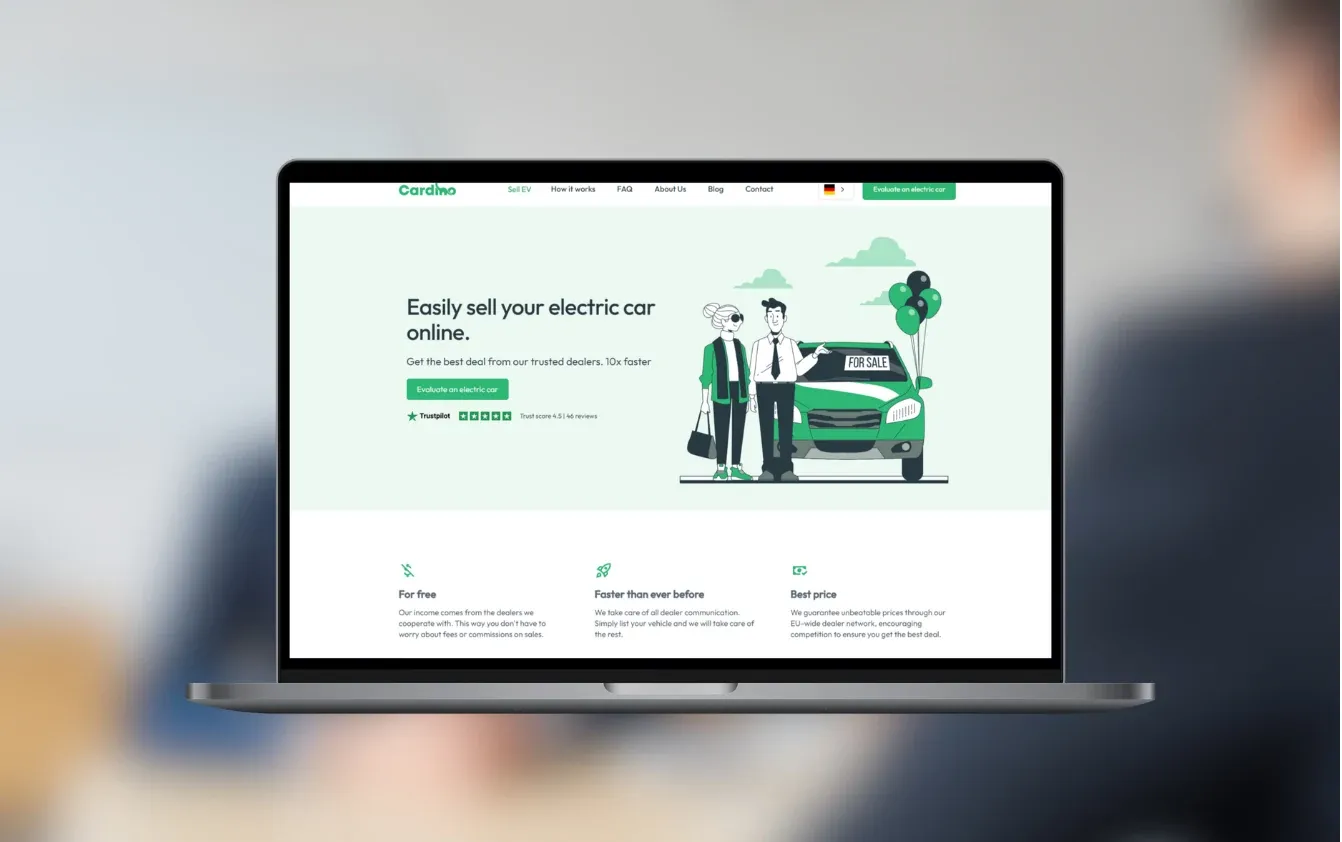
Marketplace for used EVs
Read the case study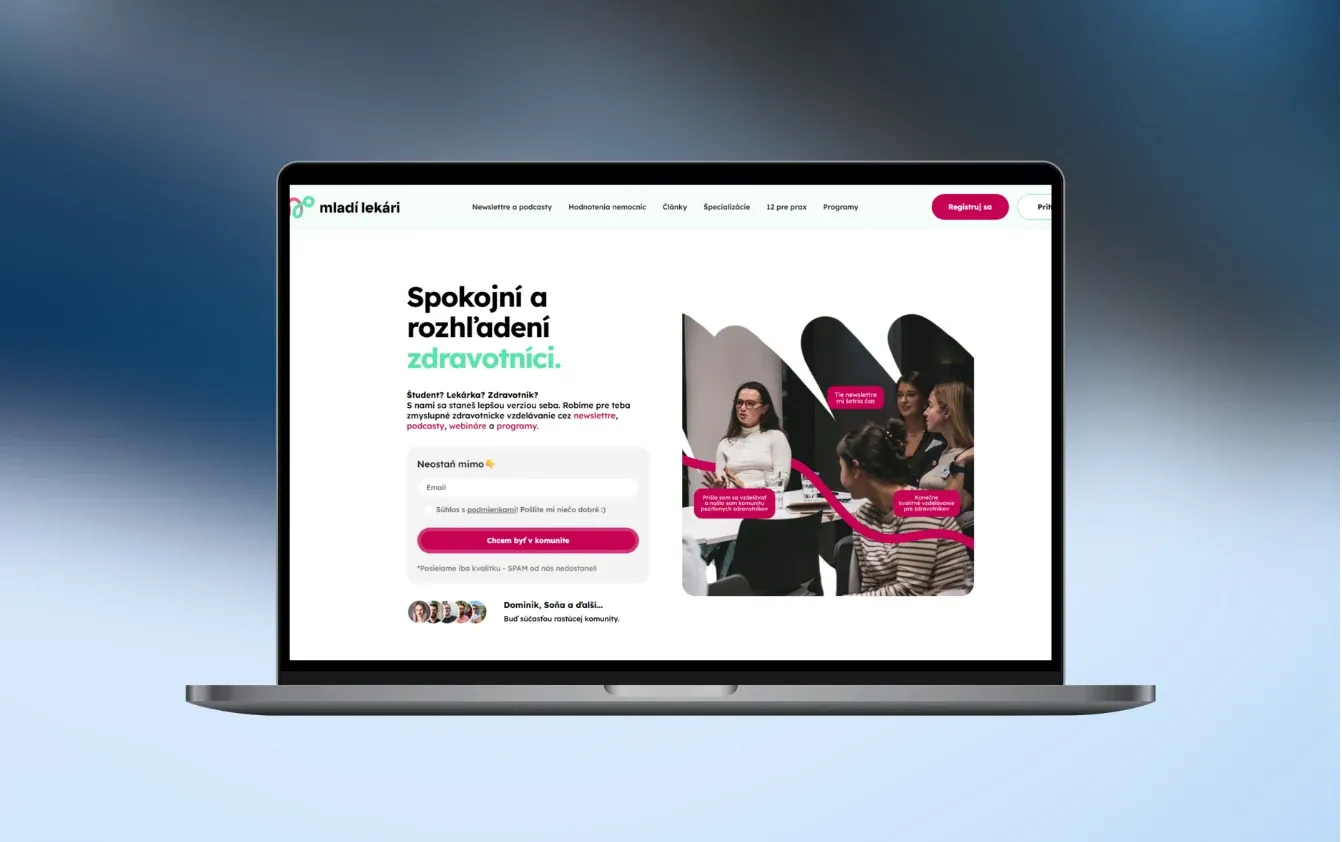
Platform that connects doctors & students with hospitals
Read the case study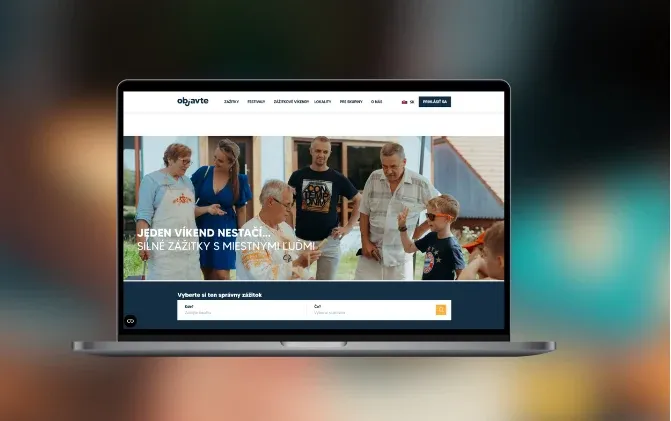
Custom-made booking platform for activities in Slovak regions.
Read the case studyA simple first version, one core journey connected to one or two services, usually costs €5–10k. An MVP with accounts, payments, an admin panel and 10+ features is typically €10–30k. Marketplaces and platforms with many integrations start at €30k. The price is fixed after the project workshop.
Our past projects reached a first version in 6 weeks to 3 months. The biggest factor is scope, not technology. Every extra user role, payment model or integration adds time.
Not to start. We work directly with founders, explain technical choices in plain language and document what we build. When you hire developers later, they take over a codebase and accounts you already own.
Both have a place. No-code tools are faster and cheaper for many first versions. Code gives more control over complex logic, performance and long-term costs. We recommend one per product, say plainly when no-code is enough and move products to code when they outgrow it.
You will, and that’s fine. You see a demo every week and we plan in 2-week stages, so changes go into the next stage. If a change makes the scope bigger, we agree it with you first, so the price never grows without your say.
Yes, when it serves the core journey, for example search, recommendations, summaries, generated content or an assistant that answers from your data. We test it on real inputs early and estimate the running cost per user, because AI costs grow with usage.
You do. The code, repositories and service accounts (hosting, payments, email) are in your name. That makes due diligence simpler when you raise money or hire your own team.
We fix bugs in our work for free for 3 months. After that you can continue with us in 2-week stages or with monthly support, or hand the product to your own developers.
Tell us the idea in a 30-minute call. You’ll leave knowing what we’d build first, what we’d leave out and a rough price.

JurajCEO, QikBuild
You leave the call with
Or write to hello@qikbuild.com