Software for architectural and design firms

Turn design workflows and product thinking into digital tools clients can actually use

Architecture and design teams often have valuable workflows and ideas that do not fit cleanly into static presentations or generic software. We help turn those workflows into digital products and tools, from configurators and client-facing experiences to internal systems that make the service more scalable.

What teams usually need from day one:

Interactive configurators and planning experiences
Client-facing product flows around design decisions
Admin systems for modules, metadata, and design logic
Custom workflow tooling for architecture and design teams

Why teams in this space work with QikBuild

The pattern is usually the same: too many disconnected tools, too much manual work, and no appetite for a slow enterprise-style rebuild.

01 Digital leverage

Productize the expertise

A lot of design value lives in repeatable logic that can become software instead of staying trapped in manual explanation.

02 Clearer client flow

Improve the client experience

Interactive tools make complex design choices easier to understand and easier to act on.

03 Workflow fit

Build around how the studio works

The right tool should reflect the actual method, not a generic product category.

04 Faster rollout

Launch without waiting forever

A strong digital experience does not need to take a year to become usable.

Related projects we have already built

These are the kinds of systems we have shipped when teams needed more than a generic tool and less than a year-long software program.

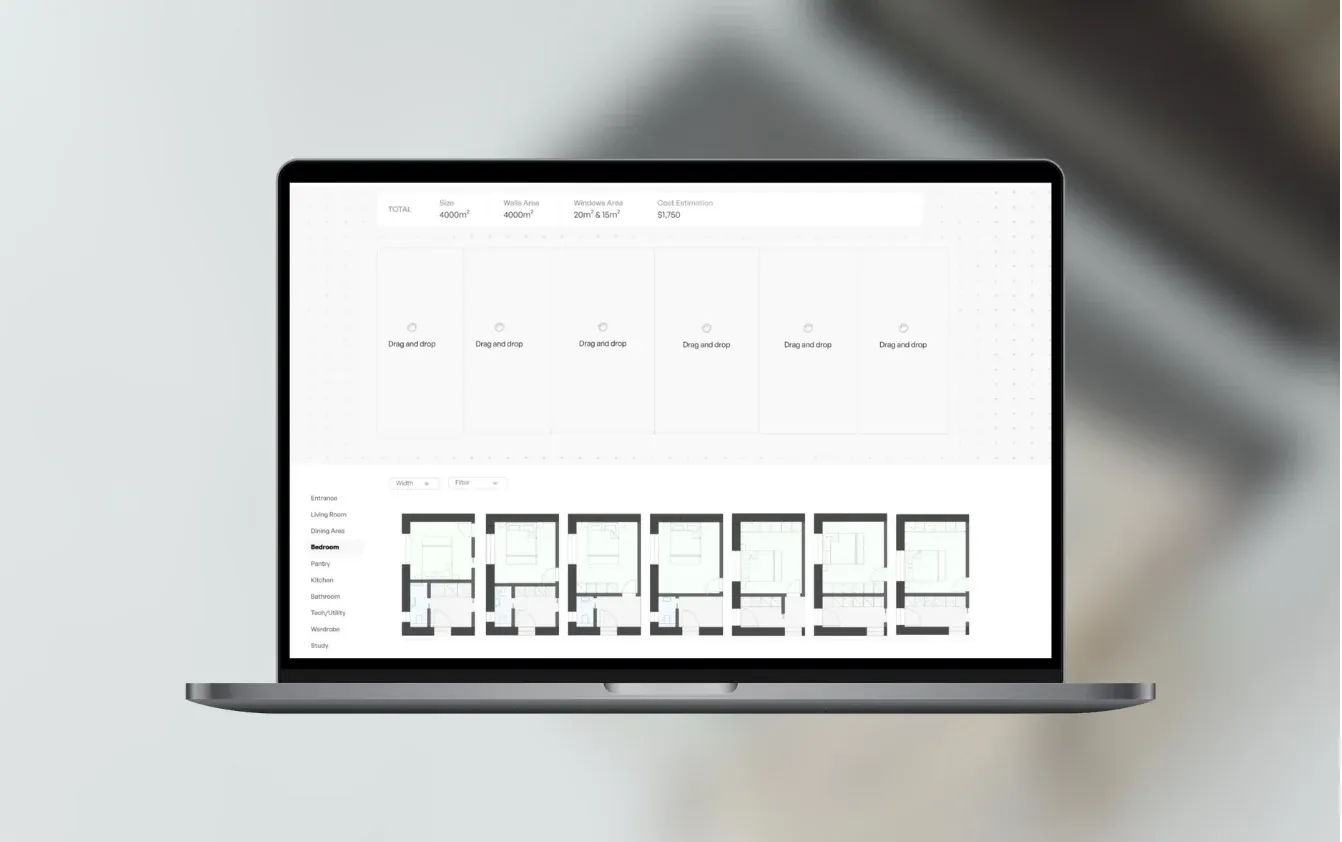
Configurator

Planodu

Passive-home configurator · Europe

Challenge

The team needed a digital product that could turn a modular home offering into an interactive planning experience.

Solution
  • Interactive floor-plan builder
  • Admin tooling for modules and metadata
  • Customer-facing configurator flow
  • Integrated payment support
Impact

A design-heavy offering turned into a product users can actually explore and configure.

What we typically build in this industry

Most projects fall into a few common buckets. These are the system types we see most often.

Client-facing tools

  • Configurators and planners
  • Visualization-driven product flows
  • Interactive decision support

Studio operations

  • Admin tooling for components and metadata
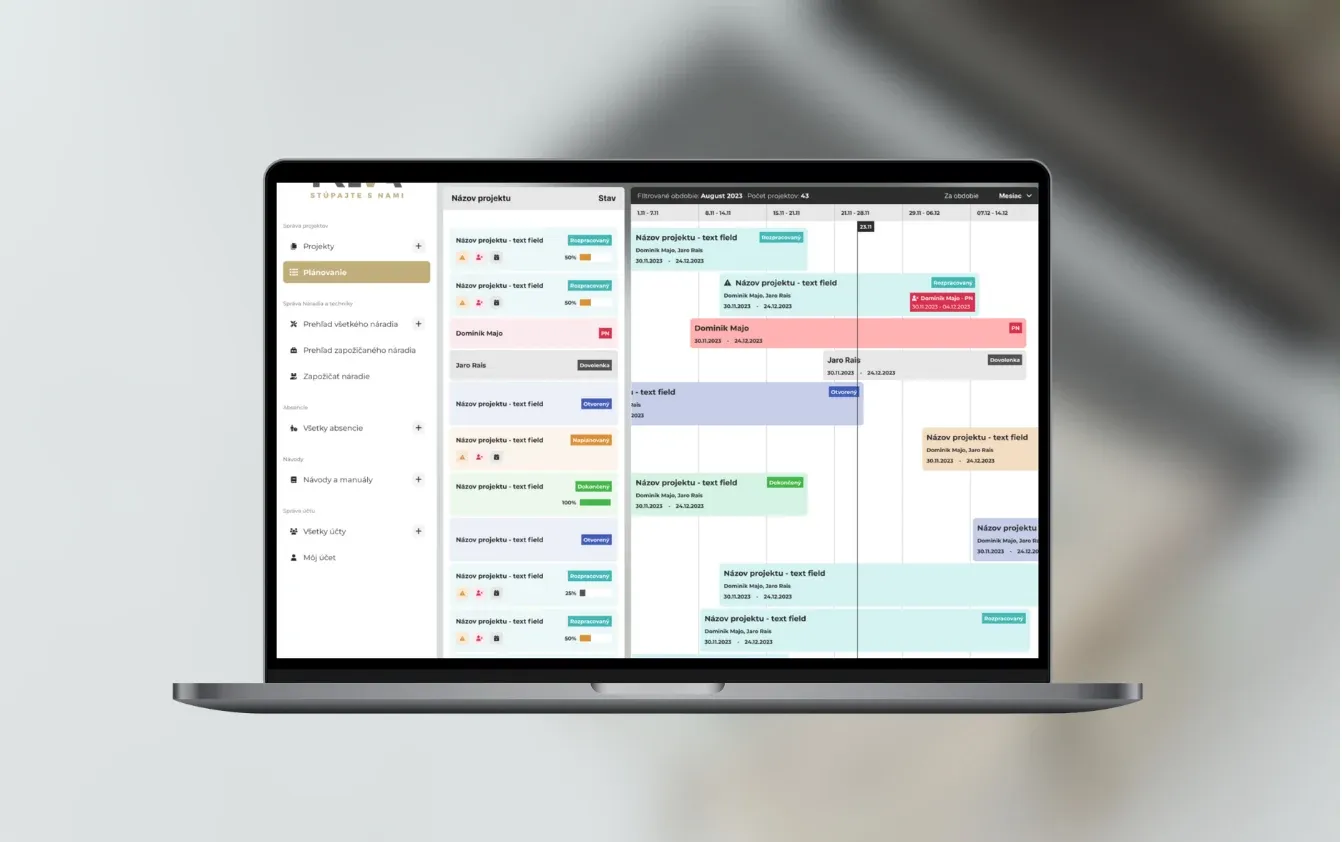
  • Workflow support for delivery and iteration
  • Internal systems shaped around the studio's method

Productization

  • Custom SaaS-style experiences
  • Digital products built from internal know-how
  • Architecture that supports new modules and logic over time

Commercial flexibility

  • Payment and request flows where needed
  • Scalable experiences for growth
  • Better conversion through clearer client interaction

How we turn the brief into a working product

We keep the process practical. The goal is not a perfect spec deck. The goal is a system your team can actually use.

01

Map the workflow

We start with the actual process: who uses the system, where the bottlenecks are, and what absolutely has to work in version one.

02

Prototype the critical path

Before the full build, we shape the core flow so your team can react early and we avoid wasting time on the wrong thing.

03

Build in iterations

We ship in slices, keep feedback close, and make sure the system stays useful as soon as it starts getting real usage.

04

Launch and keep improving

Once the first version is live, we keep refining the product around real usage rather than assumptions made in week one.

Frequently asked questions

A few of the questions teams usually ask before deciding whether a custom build makes sense.

Small and growing design teams are often a strong fit because digital leverage matters a lot when the same core team is doing both design and delivery.
Yes. That is often the most valuable outcome, especially when the client journey currently depends on static explanation and too much back-and-forth.
Yes. If the product needs to support deposits, configuration requests, or structured handoff into sales, that can be part of the system.
A focused first version can often launch in weeks if the main interaction and workflow are already clear.

Want to turn design logic into software?

We can help you shape a digital product or workflow tool that makes your design process easier to deliver and easier for clients to understand.

Book a call