Skip to content

AI voice agents and call automation software

Let an AI voice agent handle routine calls and pass the rest to your team

Answering the same questions and arranging appointments can take up much of the working day, and calls that ring out after hours rarely call back. We build AI voice agents that answer, ask what the caller needs, book or update appointments and pass the call to a person when it needs judgment. Every call ends up in your CRM as a summary, not a voicemail.

  • Inbound and outbound calls in one system, day and night
  • Structured notes from every call, not just a recording
  • Bookings, CRM records and tickets updated during the call
  • A clean hand-off to a person, with the details already collected

Does this sound familiar?

The situations where teams usually call us.

  1. Your team misses calls after hours or during busy periods, and those callers try a competitor instead.

  2. Support staff spend much of the day answering the same ten questions.

  3. Sales reps call back leads without knowing what the caller actually needs.

  4. Booking still depends on someone checking a calendar and confirming by hand.

  5. Calls need to follow your rules for bookings, refunds, priorities and escalations.

What happens on a call.

The agent follows your call script, but it understands free speech instead of asking callers to press 1.

  1. The phone rings Your number, forwarded to the agent after hours or always
  2. The agent listens Speech is turned into text and the model works out what the caller wants
  3. It checks your systems Free slots, the customer’s record, order status
  4. It acts Books, reschedules or answers from your approved information
  5. A person takes over if needed With a summary of the call so far
  6. The call is logged Summary, outcome and next step in your CRM
Most routine calls never need the fifth step. The ones that do reach a person faster than through a menu.

What we’ve learned.

From the projects we’ve built in this area.

  • 3–5

    Start with the call types that repeat.

    In most businesses a handful of call types (booking, rescheduling, opening hours, order status) make up most of the volume. A pilot that handles those well is worth more than one that tries to answer everything.
  • <1 s

    Speed matters more than the voice.

    Callers forgive a slightly synthetic voice. They don’t forgive long pauses. We design the agent so it answers within about a second and says "let me check" before slower lookups.

  • The hand-off is part of the product.

    The agent should know when to stop. Angry callers, complaints, payments and anything outside its rules go to a person, together with what the caller has already said, so nobody has to repeat themselves.

  • The transcripts are a bonus.

    Once every call is written down, you can see why people call, which questions your website doesn’t answer and where bookings are lost. A month of transcripts is often enough to fix the FAQ, the forms and the opening-hours page.

What we can build.

  • Conversation handling

    • Natural conversation instead of phone menus
    • Your scripts, questions and rules for unexpected answers
    • Several languages, including Slovak and English
    • Clear human hand-off when the call should not stay automated
  • Operational workflows

    • Appointment booking, rescheduling and reminders
    • Lead qualification and routing to the right person
    • Order and ticket status from your systems
    • Outbound reminder and confirmation calls
  • Integrations

    • CRM and helpdesk sync (HubSpot, Pipedrive, Salesforce and others)
    • Calendars and booking systems
    • Your own database or internal tools through their API
    • SMS or email confirmation after the call
  • Monitoring

    • Call logs, transcripts and summaries
    • Which calls were resolved and which went to a person
    • Alerts when the agent is unsure or a caller is unhappy
    • Regular tuning based on real calls

A phone menu, a call centre or an AI agent?

Each option has a place. This is how they compare for routine inbound calls.

Phone menu (IVR)Outsourced call centreAI voice agent
Available 24/7 Yes Partly Yes
Understands free speech No Yes Yes
Books and updates records itself No Partly Yes
Handles unusual or emotional calls No Yes Partly
Cost per extra call Very low High Low
Time to change the script Days Weeks Hours
Most of our voice projects keep people for the calls in the last rows, and let the agent take the routine ones.

How the first version comes together.

A typical timeline. We confirm yours after the project workshop.

  1. Week 1

    Listen to real calls

    We go through recordings or call notes and pick the 3–5 call types worth automating first.

  2. Weeks 2–3

    Build the first agent

    Scripts, rules, the voice and the connections to your calendar and CRM. You test it by phone every week.

  3. Week 4

    Pilot on real calls

    After hours or for one call type only, with every call reviewed.

  4. Then

    Widen and tune

    More call types, outbound reminders and adjustments based on the transcripts.

A focused pilot usually goes live within a few weeks. Larger setups with several systems take longer.

Case studies.

Systems we’ve built that are close to this one.

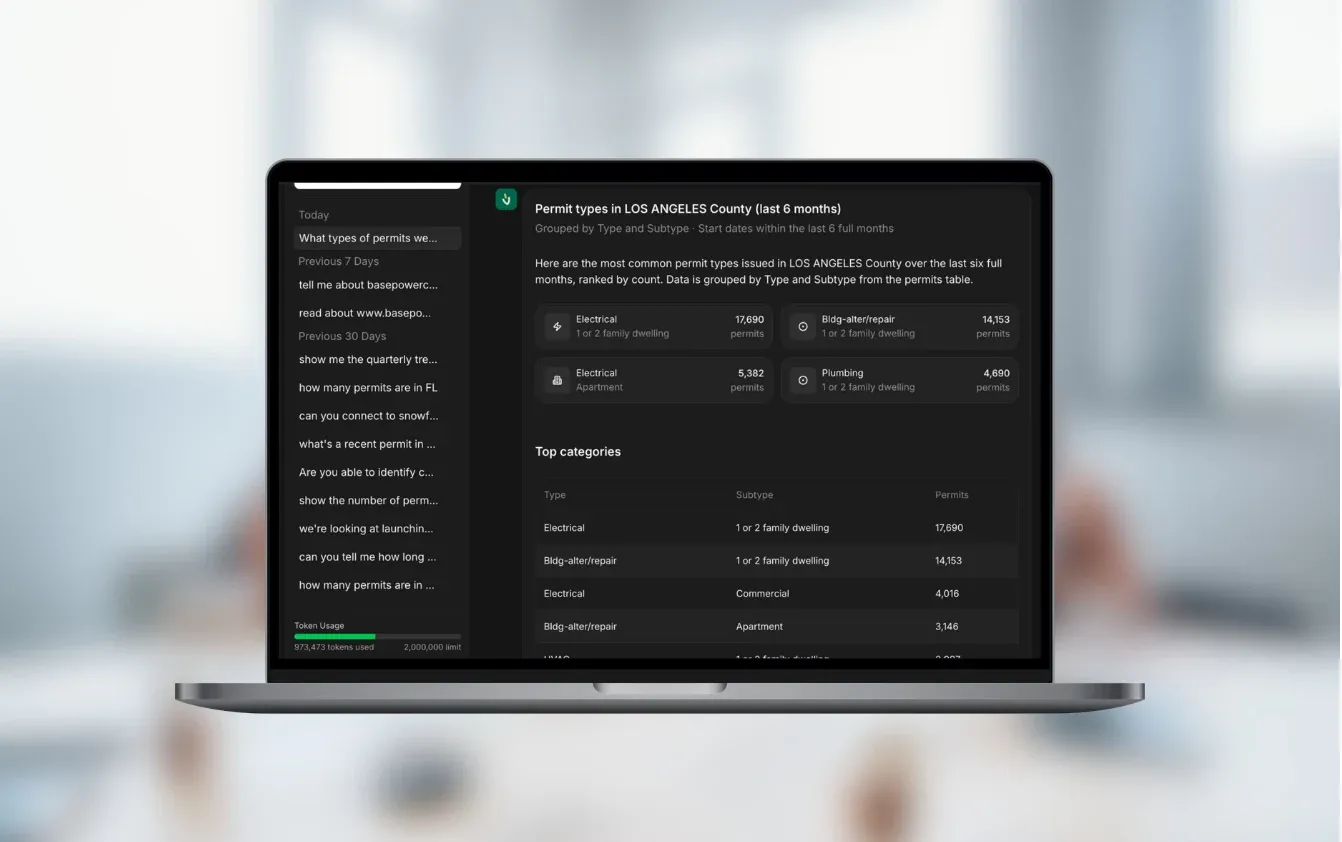
  • Shovels.ai

    Construction Intelligence · Lafayette, CA

    Charlie: Ask questions about construction data

    An AI assistant that answers questions about building permits and contractors using current database records.

    Read the case study
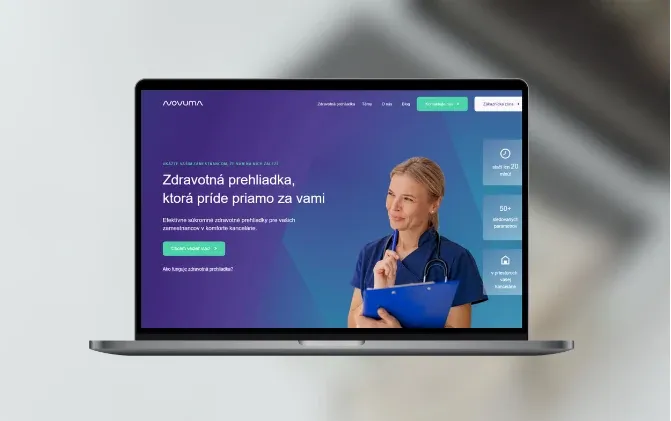
  • Novuma

    Healthcare · Bratislava, Slovakia

    Health checkups portal and booking system

    Novuma provides preventive health checkups for thousands of customers and manages their patient records.

    Read the case study

Questions people ask.

Can this work for a smaller team?

Yes. Smaller teams often benefit most, because there is nobody to answer the phone during appointments or after hours. A pilot can cover only the calls that take up the most time.

Will it sound robotic?

Current voices handle back-and-forth conversation and interruptions well. How natural it sounds depends on the voice, the language and the speed of your systems, so we test it with your real callers before rolling it out.

Does it work in Slovak?

Yes. Slovak and English work well today, as do most European languages. We test the specific vocabulary of your business (product names, street names, medical terms) during the pilot.

Can it connect to our existing tools?

Yes. We connect the agent to your CRM, helpdesk, calendars and internal tools through their APIs. If a tool has no API, we look for another way, such as a shared database or email.

What happens when the agent cannot solve the call?

It tells the caller it will pass them to a colleague and transfers the call, or takes a message if nobody is available. The person gets a summary of what was said, so the caller doesn’t have to start again.

How do you handle recordings and personal data?

We agree what is recorded, how long it is kept and where it is stored. Callers are told they are speaking with an AI assistant. For sensitive data we can keep transcripts in your own systems and use providers with EU data hosting.

What does it cost to run?

Running costs are mostly per minute of conversation (speech recognition, the language model and the voice) plus telephony. For routine calls this is usually a fraction of the cost of a person’s time. We estimate it from your call volumes before the build.

How long does a pilot take?

A focused first version can usually go live within a few weeks, depending on how many systems and call types are involved.

Which calls could your team stop answering?

Send us a description of your typical calls, or a few recordings. We’ll tell you which ones an agent can handle and what a pilot would cost.

JurajCEO, QikBuild

You leave the call with

  • What we would build first
  • A rough price range
  • Whether custom software makes sense for you
Book a 30-minute call

Or write to hello@qikbuild.com