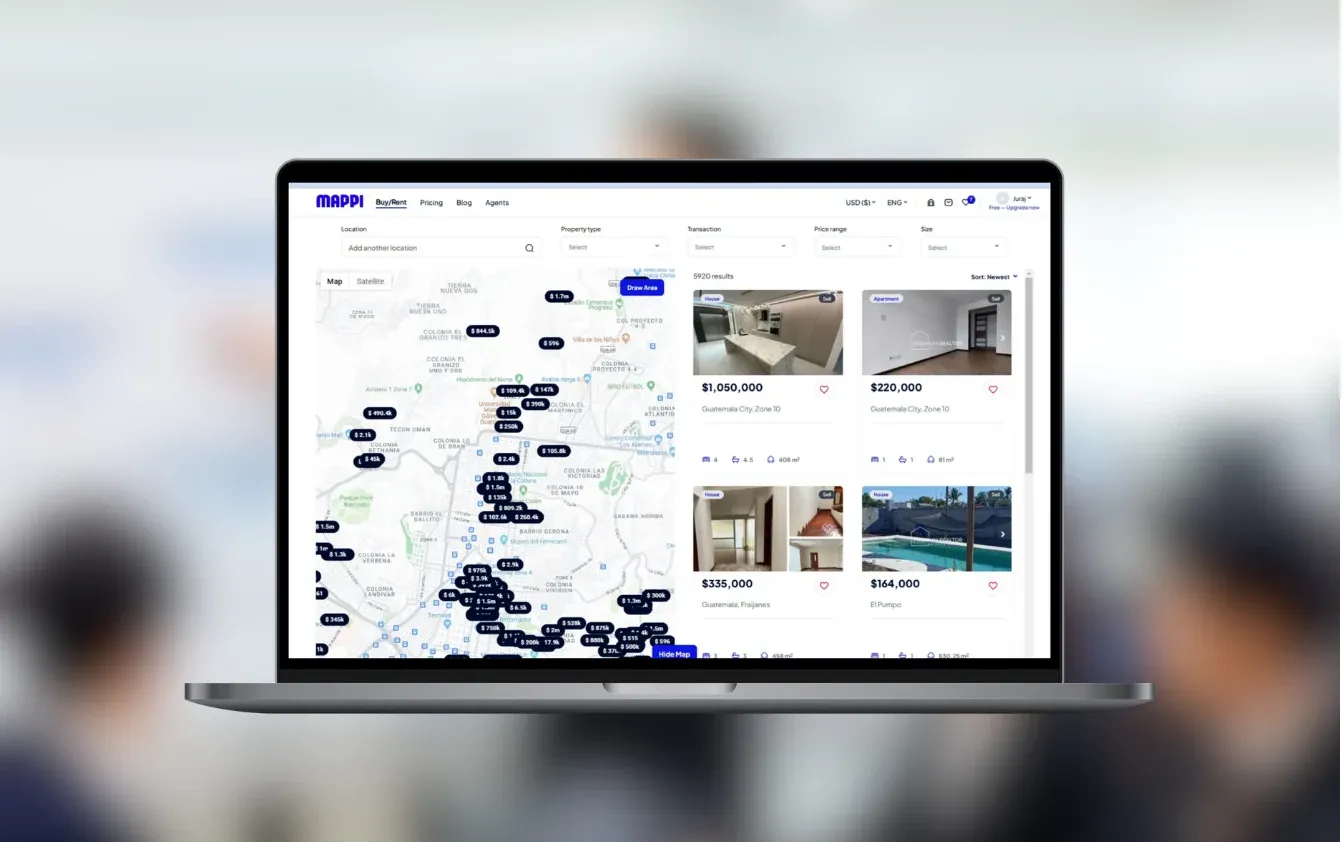
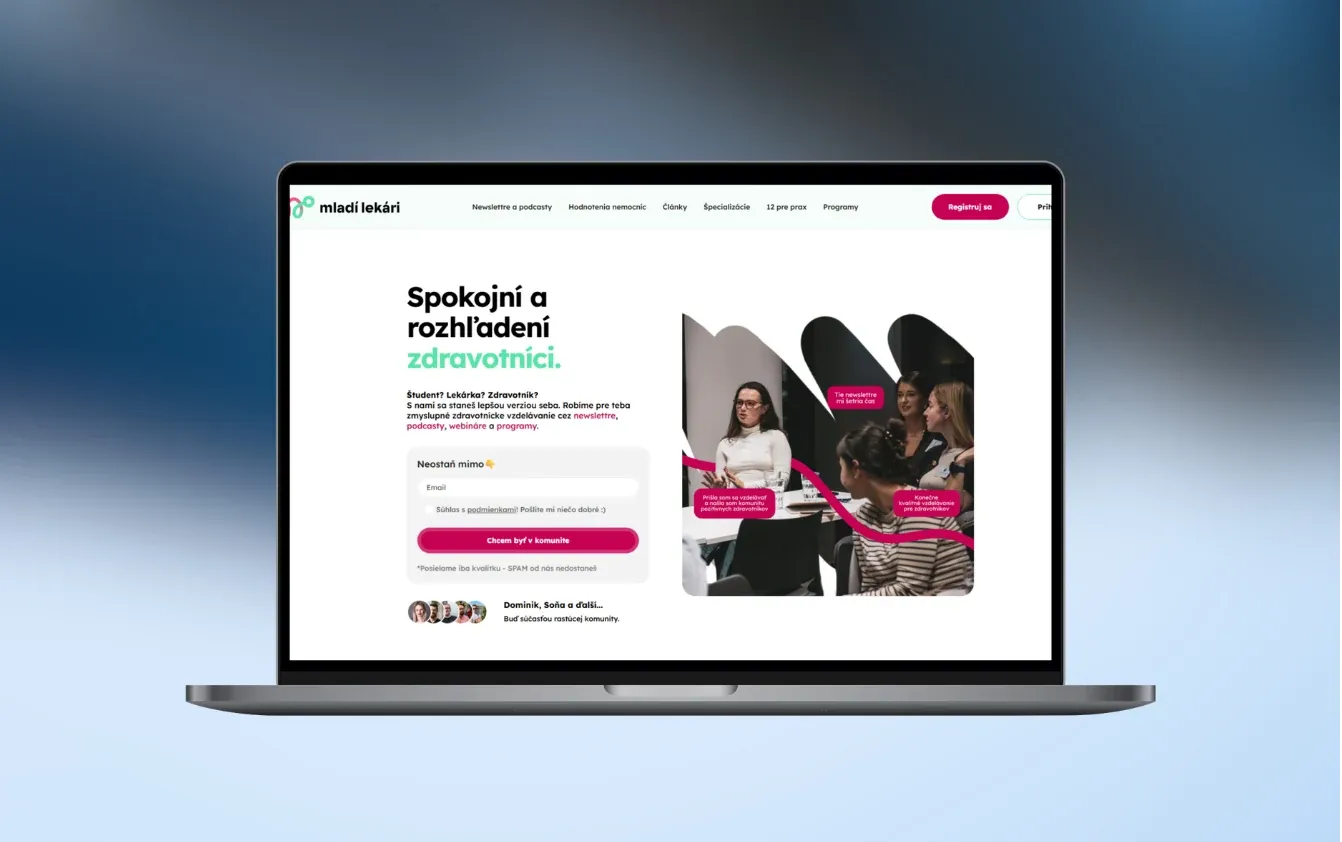
Marketplace platform development and marketplace software

Build the product around your marketplace model, not around a generic template

Multi-sided products break generic tools quickly. As soon as you have distinct user roles, custom approval logic, matching, auctions, or partner workflows, off-the-shelf software becomes a constraint. We build marketplace platforms that match how your business actually works and leave room to grow after launch.

What this solution usually needs from day one:

Support multiple user types and user journeys in one product
Model custom onboarding, approval, matching, or auction logic
Launch a credible MVP without a year-long platform project
Keep the architecture flexible enough to evolve with the business

Where this solution usually shows up

These are the situations where teams usually realize a generic tool is not going to get them much further.

Your marketplace needs custom logic that no generic product supports cleanly.

Buyers, sellers, admins, and partners all need different workflows inside the same platform.

You want to validate a marketplace idea with a real MVP instead of a stitched-together prototype.

Core operations still live in spreadsheets because the platform is missing too many internal tools.

You need something more serious than no-code, but less painful than a traditional agency build.

How we take it from idea to production

The goal is to get a useful version live quickly, then improve it with real feedback instead of building in a vacuum.

01

Scope the real workflow

We start with the jobs the product has to do, the systems it touches, and the narrowest version worth shipping first.

02

Prototype and integrate

We shape the core experience early, connect the important systems, and make sure the product fits how your team actually works.

03

Launch and improve

We launch a useful version, watch how people use it, and keep refining the product around real usage instead of guesses.

What we typically build into this kind of product

These are the building blocks we usually end up designing around when the product has to work in the real world.

Core platform

  • Multi-role accounts and permissions
  • Custom marketplace flows, matching, or approvals
  • Admin tooling for day-to-day marketplace operations

Growth and operations

  • Onboarding and pipeline management
  • Dashboards tied to marketplace health
  • Internal tools for moderation and support

Commercial logic

  • Custom pricing and transaction flows
  • Commission or payout logic where needed
  • Product rules that reflect the business model

Iteration

  • MVP-first delivery
  • Architecture that supports new categories and user groups
  • Room to refine the product from real usage data

Why not just force this into an off-the-shelf tool?

Most teams come to us after trying to stretch a generic product beyond what it was built to do. At that point, the workarounds cost more than the software is saving.

Built around your workflow, not generic product limitations
Integrated with the systems your team already depends on
Shipped on a timeline that makes room for iteration
Flexible enough to keep evolving after version one

Frequently asked questions

A few of the questions teams usually ask before deciding whether a custom build is the right move.

Yes. That is usually the right move for marketplace products because so much becomes clearer once real users start interacting with the system.
No. Early-stage marketplace teams are a strong fit because they usually need speed, clarity, and flexibility more than a heavyweight enterprise build.
That depends on the complexity of the workflow, but many marketplace MVPs can launch in weeks rather than quarters.
Yes. The goal is to avoid painting the product into a corner with an MVP that cannot evolve.

Planning a marketplace build?

We can help you scope the smallest version worth launching, then shape the platform around the model you are actually trying to prove.

Book a discovery call