
Follow one real opportunity all the way through
We review a recent deal, including technical checks, revised quotes and handover. That gives us the first scope and the scenarios the team will use to accept the system.
Connect the first inquiry to project handover, with records that make sense to sales and operations.
When sales keeps quotes in a CRM, engineers use a spreadsheet and managers maintain another report, context gets lost between teams. We design a CRM connecting customers, branches, opportunities and approved quotes. We start with one sales workflow and keep accounting and other tools that already work. Before building, we check whether extending your existing CRM would solve the problem.
The situations where teams usually call us.
One customer has several branches, contacts and contracts, but your CRM treats them as a single record.
Quotes need technical or management approval that gets buried in email.
Won deals are manually copied into projects, schedules and invoicing.
Salespeople keep their own spreadsheets because the CRM cannot support their complete workflow.
Management needs to understand blocked deals, not just see the total value of open quotes.
From the projects we’ve built in this area.
We review a recent deal, including technical checks, revised quotes and handover. That gives us the first scope and the scenarios the team will use to accept the system.
Knowing that an accounting tool has an API is not enough. We check which records it can read and write, licensing requirements and what happens when a transfer is repeated.
For Transfer International, we connected client records, employment assignments, documents, branch permissions and reporting. This project demonstrates connected operational workflows; it is not a packaged sales CRM.
A typical timeline. We confirm yours after the project workshop.
Scope
Sales workflow and dataAgree records, roles, the first process, integrations and what stays outside the CRM. We then price and schedule that scope.
Build
Regular demos with a salespersonTest quotes, approvals and handover on sample opportunities. Judge changes by whether they help the team complete its work.
Pilot
Import and team trialTest imports, permissions and reports. Start with a small team and agree when they will stop recording work in the old system.
Operations
Handover and ongoing developmentReceive the code, accounts and documentation. Agree support, monitoring and further development based on how much the business depends on the system.
Systems we’ve built that are close to this one.
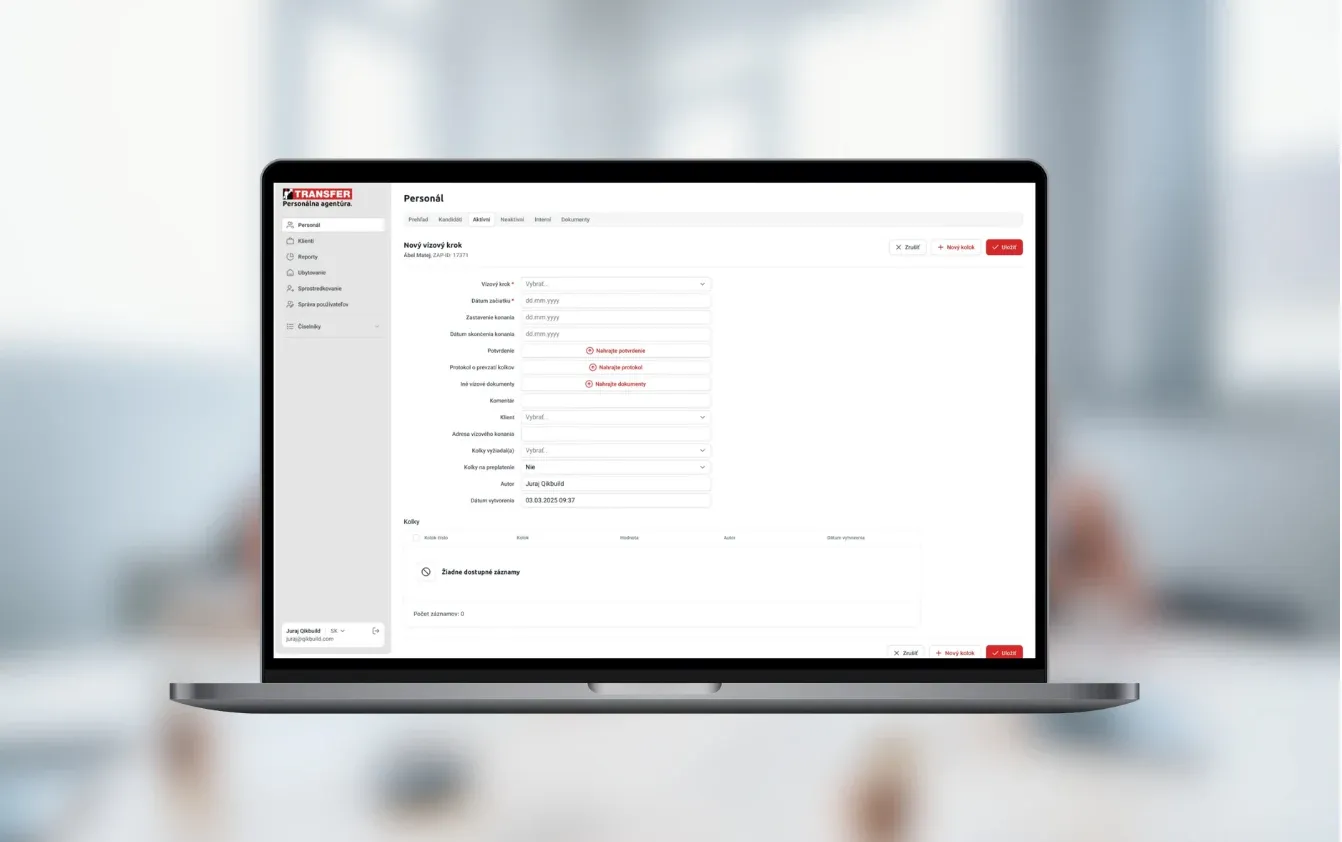
Workforce platform for temporary staffing, recruitment, compliance checks, and payroll administration
Read the case study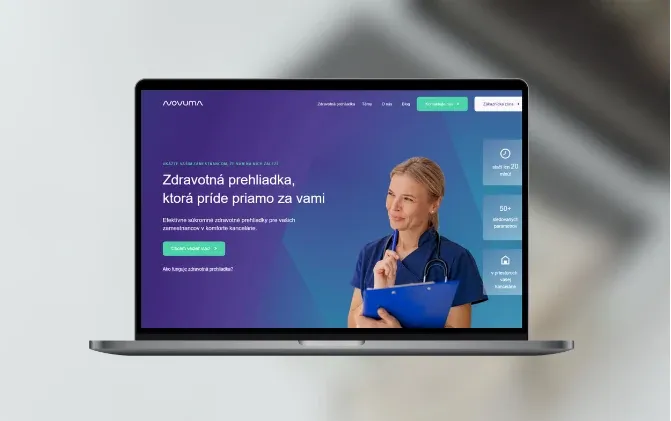
Novuma provides preventive health checkups for thousands of customers and manages their patient records.
Read the case studyA small first version for one process can fit our €5,000–€10,000 range. More roles, workflows and integrations usually move a project into €10,000–€30,000, with larger systems above €30,000. These are indicative project bands, not a price for any CRM. The proposal separates development, migration, external licenses and running costs.
No. If its data model and most of the workflow fit, we can add an integration, an approval step or a portal. A custom CRM makes sense when the differences affect the sales process itself and the relationships between records.
We first inspect available exports, attachments and relationships. Then we agree field mapping, duplicate handling and a trial import. You approve the migration scope after comparing a sample against the old system.
We check that before quoting. If a suitable API or import format exists, we design the transfer of specific records, including error checks and responsibility for recovering failed transfers.
We hand over the code, repositories and accounts to you. The proposal defines defect fixes, operational support and further development. With documentation, your own team or another supplier can continue the work.
Before the pilot, measure inquiry handling time, duplicate entries and the share of opportunities with an agreed next action. Compare the same measures afterwards. Login counts alone do not show whether the system helps.
We will follow the inquiry, quote and handover together. Find out whether your current CRM can be extended and what belongs in the first version.

JurajCEO, QikBuild
You leave the call with
Or write to hello@qikbuild.com